Fuel is where maritime commerce begins and ends. A vessel that cannot bunker efficiently, legally, and on schedule loses money with every hour it sits at anchorage. A port that cannot manage its waste oil and bilge discharge faces regulatory sanctions, reputational damage, and — in the worst cases — environmental liability that can take years and millions to resolve.
CANPAK Ventures manages the complete marine energy cycle with the discipline that these stakes demand.
We coordinate the supply, transfer, and documentation of marine fuel to vessels at berth and at anchorage. This is not simply fuel delivery. It involves quantity surveying, density and quality verification, MARPOL-compliant transfer procedures, and the kind of scheduling precision that keeps port turnaround times tight and vessel operators satisfied. We work across HFO, MGO, and LSMGO fuel grades, aligned with current IMO sulphur cap requirements.
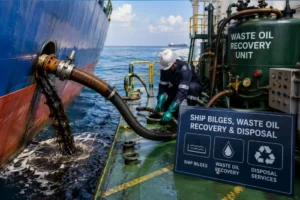
Every operating vessel generates bilge water — a mixture of seawater, lubricating oil, fuel residue, and cleaning chemicals that accumulates in the lowest compartments of the hull. Under MARPOL Annex I, this cannot be discharged overboard unless it passes through an approved oily water separator and meets the 15 parts per million threshold. In practice, most ports lack compliant reception facilities. We provide them — collecting, treating, and disposing of bilge waste through certified processes that keep port waters clean and our clients compliant.
Regulatory scrutiny on port environmental management is tightening globally, and Pakistan's ports are no exception. We help port operators, terminal managers, and shipping companies build and maintain environmental management systems that satisfy flag state inspectors, classification societies, and international charterers — before the inspection, not after the deficiency notice.
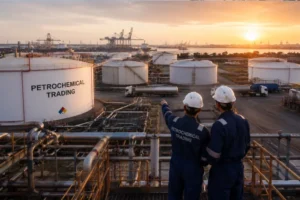
We facilitate the commercial movement of petrochemical products between refineries, oil marketing companies, and end-users — managing supply contracts, logistics coordination, quality documentation, and trade compliance with the transparency that counterparties in this sector require.